One industry that is experiencing a digital revolution is agriculture. This massive change has become possible due to various IOT (Internet of Things) applications. Experts in this field have now embraced connected devices, sensors, and data analytics to make these revolutionary changes possible. In short, it’s IoT that has made precision farming, increased productivity, resource conservation, and food security possible.
Agriculture has entered the age of intelligent systems, much like manufacturing, logistics, and healthcare. So, what are agriculture-specific IOT devices or applications? Most importantly, how have such changes been possible? To analyze in detail, continue reading this guide.
IOT in agriculture: What Exactly is it
In agriculture, the term “Internet of Things” (IoT) refers to the use of internet-connected smart devices for data collection, monitoring, and analysis in agricultural settings. Soil sensors, weather stations, drones, GPS-enabled tractors, automated irrigation systems, and livestock trackers are just a few examples. The main purpose of these gadgets is to help farmers make educated decisions. Besides, it allows maximizing farming operations by enabling automation and supplying real-time information.
Applications of IOT in Agriculture: What you must Know

a) Precision Agriculture
In this field, precision agriculture is one of the most groundbreaking applications. This type of farming requires collecting vital data. For instance, experts need to collect information on weather patterns, crop health, soil conditions, etc. With the help of IOT devices this task of data collection becomes easier. Now, how does this information help farmers? Well, it allows them to:
- Apply pesticides and fertilizers only where required.
- Make the most of irrigation schedules and planting times.
- Reduce waste and increase yield.
Example: According to John Deere’s precision agriculture solutions, its possible to use GPS-guided tractors and IOT enabled equipment to manage fields with centimeter-level accuracy.
b) Smart Irrigation
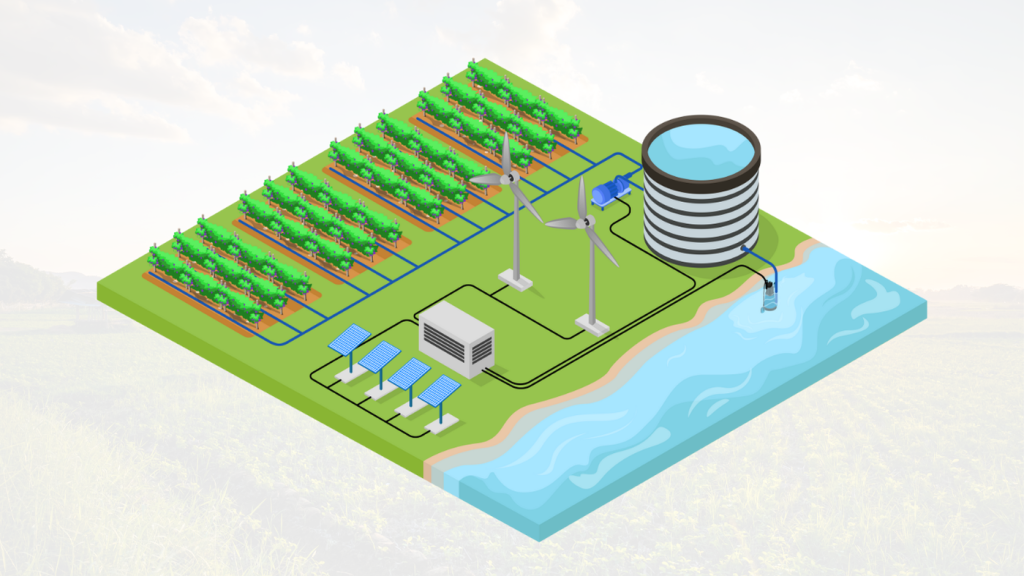
In farming, water is a valuable resource. IoT-enabled irrigation systems automate and optimize water use through the use of weather data and soil moisture sensors. This type of system:
- Reduces water consumption by 30-50%.
- Increases crop yield and quality
Stat: World Bank reports make it clear that farmers can expect the reduction of water usage by up to 50%.

c) Keeping an Eye on Livestock
Wearable sensors and RFID tags are examples of IoT devices that help with tracking the location, behavior, and overall wellness of livestock. Such devices are helpful to track the health issues of animals more quickly. Here’s how it helps:
- Some devices can detect illness sooner
- Handles breeding effectively
Example: The application of Cowlar is also famous. This is mainly wearable IOT gadget to manage the health issues of Cows.

d) Climate Monitoring
Local climate factors are also vital for effective farming. With this technique tracking and analyzing vital factors temperature, humidity, and wind speed can now be tracked in real time. To make it possible various types of IoT-powered weather stations are available these days. Such type of information helps with:
- Precise forecasting
- Helps getting ready to face disasters
- Allows taking prompt actions to protect crops
e) Identification of Pests and Diseases
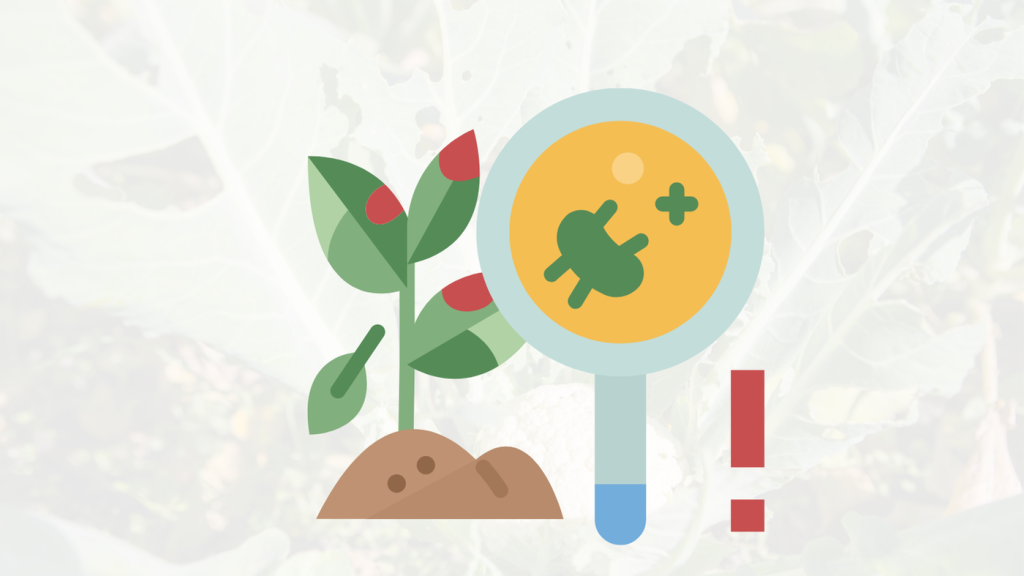
Drones with sensors and cameras aid in the early detection of illnesses and pest infestations. Data can be analyzed by machine learning models to spot issues before they become widespread.
- Reduces crop loss
- Minimizes the use of chemicals
- Increases the safety of food

f) Self-sufficient Agricultural Machinery
The Internet of Things makes it possible to automate agricultural equipment like
- Autonomous tractors
- Harvesters that operate by robot
- Self-sufficient sprayers and seeders
This guarantees accuracy, boosts productivity, and lessens reliance on labor.
Advantages of Using IoT in Agriculture
- Enhanced Productivity: We can make quicker, more informed decisions when we have access to real-time data.
- Resource Efficiency: Makes the best use of energy, water, and fertilizers.
- Cost Reduction: Automates processes to reduce labor and input costs.
- Sustainability: Promotes ecologically friendly agricultural methods.
- Risk mitigation: Crop failure and livestock loss are decreased when problems are identified early.
Statistics and Market Trends
According to Markets and Markets, the global smart agriculture market is expected to expand at a compound annual growth rate (CAGR) of 9.8%, from USD 13.8 billion in 2022 to USD 22.0 billion by 2027.
Globally, more than 225 million IoT-enabled agricultural devices are anticipated by 2030 (Statista).
Farms that use precision agriculture based on the Internet of Things report yield increases of 15-20% and operating cost reductions of up to 30%.
Statistics and Market Trends
According to Markets and Markets, the global smart agriculture market is expected to expand at a compound annual growth rate (CAGR) of 9.8%, from USD 13.8 billion in 2022 to USD 22.0 billion by 2027.
Globally, more than 225 million IoT-enabled agricultural devices are anticipated by 2030 (Statista).
Farms that use precision agriculture based on the Internet of Things report yield increases of 15-20% and operating cost reductions of up to 30%
IoT Adoption Challenges
Despite its potential, a number of obstacles prevent IoT from being widely used in agriculture:
- Connectivity Problems: Reliable internet access is scarce in many rural areas.
- High Initial Investment: Small farmers may find the cost of IoT infrastructure to be unaffordable.
- Data Security and Privacy: It’s critical to make sure farm data is handled safely.
- Skill Gap: To use IoT tools efficiently, farmers require training.
Benefits of Choosing Us:
When it comes to providing tailored IoT solutions for the agriculture industry, OTS is leading the way. OTS offers end-to-end services that facilitate more intelligent, data-driven agriculture because of its thorough understanding of India’s varied farming requirements and environments. What OUM provides is as follows:
i) Sensor Integration:
Installing intelligent sensors for temperature, pH, moisture, and nutrients in soil to provide real-time field data.
ii) Smart Irrigation Systems:
IoT-enabled automated irrigation controls that optimize crop hydration and minimize water consumption are known as smart irrigation systems.
iii) Dashboards for data analytics:
Centralized systems that allow farmers to see patterns, produce insights, and get practical advice.
iv) Cloud Integration & Edge Computing:
Secure cloud storage paired with low-latency edge solutions ensure continuous operations.
v) Connectivity Solutions:
Tailored IoT architecture for rural and semi-urban settings that is compatible with LPWAN, LoRaWAN, and 4G/5G protocols.
vi) Integration with Robots and Drones:
Cutting-edge systems that connect to self-governing equipment for harvesting, monitoring, and spraying.
OTS is committed to providing scalable, secure, and sustainable IoT solutions that are suited to regional contexts to assist agribusinesses in their transition to smart farming. OUM provides the agricultural community with state-of-the-art tools that guarantee increased productivity, reduced operating costs, and long-term sustainability, ranging from pilot programs to full-scale deployments.
In conclusion
The next generation of agriculture has been brought into existence in large part by IoT. IoT is enhancing the efficiency, sustainability, and profitability of agriculture by converting conventional farming methods into data-driven, automated procedures. The world will have a more resilient and food-secure future due to the continuing growth of IoT solutions, encouraging government regulations, and private sector innovation.
IoT is revolutionizing the way we grow our food, whether it is through monitoring soil nutrients, conserving water in drought-prone areas, or anticipating crop diseases before they occur.